

When it comes to identifying the Filipino identity, the debate often boils down to one burning question: are Filipinos Asian or Pacific Islanders? It’s a bit like trying to choose between adobo and sinigang—both are delicious, but they come from different culinary worlds. Understanding where Filipinos fit in the grand scheme of geography and culture can feel like solving a Rubik’s Cube blindfolded.
Understanding Filipino Identity
Filipino identity encompasses diverse influences from Asia and the Pacific Islands. It reflects a blend of cultural, historical, and geographical factors. The Philippines lies geographically in Southeast Asia, placing Filipinos within that regional context. The nation shares cultural ties with neighboring Asian countries, enriching its identity through shared traditions, languages, and practices.
Conversely, the Pacific Islander aspect emerges from the significant events in history. The spread of Austronesian peoples from Taiwan to the Pacific islands interlinks various cultures, including Filipino heritage. Similarities in language and customs reinforce these connections, making Pacific Islander classification relevant.
Various classification systems contribute to the complexity of Filipino identity. Official categories in institutions like the U.S. Census categorize Filipinos as Asian. This classification reflects cultural and socio-economic dynamics. Researchers find that societal perceptions also impact how Filipinos identify themselves, often leading to a hybrid identity that embraces both Asian and Pacific Islander elements.
Understanding the Filipino identity involves recognizing the nuances in these connections. Individuals may feel allegiance to either label based on personal experiences. The ongoing discourse among communities continues to shape and redefine what it means to be Filipino. This discussion emphasizes the rich tapestry of Filipino identity, rooted in both Asian and Pacific dimensions.
Geographic Context
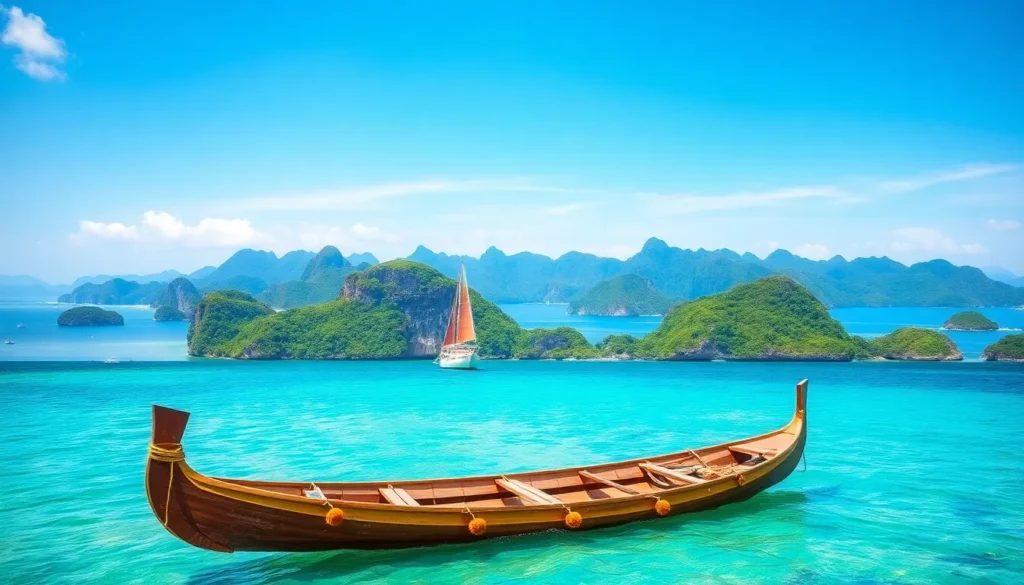
Understanding the geographic context of the Philippines highlights its unique identity as both Asian and Pacific Islander.
The Philippines in Asia
Geographically, the Philippines is an archipelago situated in Southeast Asia, bordered by the South China Sea and the Pacific Ocean. The nation shares maritime boundaries with countries like Vietnam in the West and Taiwan in the North. Cultural ties are evident in shared languages, culinary traditions, and historical narratives with its Asian neighbors. Historically, trade routes facilitated interaction with China, India, and Malaysia, allowing the cross-pollination of ideas and beliefs. Various influences shaped Filipino identity, including Chinese commerce and Indian culture, which contributed to the development of indigenous practices. The U.S. Census classifies Filipinos as Asian, acknowledging these profound connections.
The Philippines in the Pacific
Alternatively, the Philippines maintains significant ties to the Pacific Islands. The Austronesian migration is a foundational element linking the Philippines to other Pacific cultures. Shared linguistic roots and cultural practices among Polynesian and Melanesian communities underscore these connections. The influences of oceanic navigation fostered a unique relationship, characterized by both cultural exchange and cooperation. Fertile land led to agricultural practices that mirror those found in other Pacific Islander societies. Additionally, regional celebrations and customs indicate an intertwined heritage among the Pacific Islands, reinforcing the Filipino identity that straddles both geographic and cultural realms.
Cultural Aspects of Filipino Identity
Filipino identity showcases a rich blend of influences from both Asian and Pacific Islander cultures. These connections emerge through historical interactions and shared experiences.
Asian Influences
Cultural influences from Asia shape many aspects of Filipino life. Trade routes established connections with countries like China, India, and Malaysia. These interactions introduced new foods, languages, and customs. Languages like Tagalog exhibit loanwords from Chinese and Spanish, illustrating the linguistic diversity. Culinary traditions, such as the use of rice and spices, showcase these Asian influences prominently. Festivals such as Chinese New Year also highlight shared cultural celebrations. This mix of traditions creates a vibrant Filipino identity characterized by a unique Asian heritage.
Pacific Islander Influences
Pacific Islander influences also play a crucial role in defining Filipino identity. The Austronesian migration links Filipinos to other Pacific cultures, fostering shared linguistic roots. Languages spoken in the Philippines belong to the same family as those in Polynesia and Micronesia. Agricultural practices, including taro and coconut cultivation, show parallels with Pacific Islander farming methods. Cultural expressions such as traditional dances and artistry reflect this interconnectedness. Festivals, like the Ati-Atihan, echo celebrations found in other Pacific Island communities. These influences demonstrate the deep-rooted connections that contribute to the multifaceted Filipino identity.
The Debate: Asian or Pacific Islander?
The classification of Filipinos as Asian or Pacific Islanders generates ongoing discussions. Scholars and community members often present differing viewpoints on this topic.
Perspectives from Scholars
Scholarly opinions vary on the classification of Filipinos. Many academics emphasize the Philippines’ geographic location in Southeast Asia, linking it closely to Asian nations. Research indicates significant historical ties with countries like China and Malaysia. Conversely, some scholars recognize the Pacific Islander connections stemming from Austronesian migrations. This perspective highlights common linguistic and cultural traits shared with Pacific nations. Cultural studies reinforce that Filipino identity incorporates both Asian and Pacific influences, often leading to hybrid identities. A nuanced exploration of these classifications enriches the broader understanding of identity in the Philippines.
Community Opinions
Community members often express diverse perspectives on identity classification. Many Filipinos identify strongly as Asian due to historical and cultural ties with neighboring countries. Conversations frequently reveal pride in Asian heritage, particularly through shared traditions and languages. Yet, others embrace the Pacific Islander label, reflecting relationships cultivated through migration. Festivals and cultural practices further illustrate this connection. Individual experiences shape perceptions, leading some Filipinos to adopt dual identities, celebrating both their Asian and Pacific roots. Shared stories and the ongoing dialogue about identity reflect the depth of Filipino culture, underscoring a multi-faceted identity that resonates across regions.
Implications of the Identity Debate
The identity debate surrounding Filipinos as either Asian or Pacific Islanders carries significant implications. Understanding these distinctions shapes social and political dynamics within communities.
Social and Political Considerations
Various social and political factors arise from Filipino identity classification. Organizations often tailor their outreach strategies based on perceived identity. For instance, those identifying as Asian may prioritize issues like representation in Asian American initiatives, while those identifying as Pacific Islanders might focus on Indigenous rights and cultural preservation. Educational institutions can also influence these dynamics, promoting different cultural studies that emphasize either Asian or Pacific Islander heritage. The U.S. Census classification impacts access to resources and support, substantiating the need for clear identity recognition. Conflicting classifications may lead to funding disparities and resource allocation that affect community development.
Identity and Representation
Identity shapes representation in media and public discourse significantly. Filipinos often find themselves underrepresented in both Asian and Pacific Islander narratives. Documentaries, films, and literature often emphasize stereotypes that fail to capture the full diversity of Filipino experiences. Representation in political offices also reflects this challenge, with many Filipinos advocating for more visibility in both Asian and Pacific Islander contexts. The desire for representation fuels community activism, encouraging individuals to engage in discussions about identity and advocate for inclusion. Efforts to educate others about the unique blend of cultures within the Filipino identity promote visibility and understanding across different audiences.
The question of whether Filipinos are Asian or Pacific Islanders reflects a rich and complex identity. As they navigate their diverse cultural heritage, Filipinos embody influences from both regions, showcasing a unique blend of traditions and histories. This multifaceted identity not only enriches their cultural tapestry but also shapes societal perceptions and representation.
Understanding this hybrid identity is crucial for fostering inclusivity and recognition in various spheres, from community initiatives to educational institutions. As discussions about identity continue, the need for clear acknowledgment of Filipino heritage remains essential. Embracing both Asian and Pacific Islander elements allows for a deeper appreciation of the vibrant Filipino culture that resonates across the globe.

