

If you think nature has secrets, wait till you hear about alisiaparril. This amazing plant is often overlooked, yet it boasts a treasure trove of cultural significance and potential benefits, all wrapped up in its leafy guise. Whether you’re a curious herbal enthusiast or just someone looking for a new conversation starter at parties, understanding alisiaparril might just make you the life of the gathering. So buckle in, let’s jump into the world of alisiaparril, where the extraordinary becomes everyday.
What Is Alisiaparril?
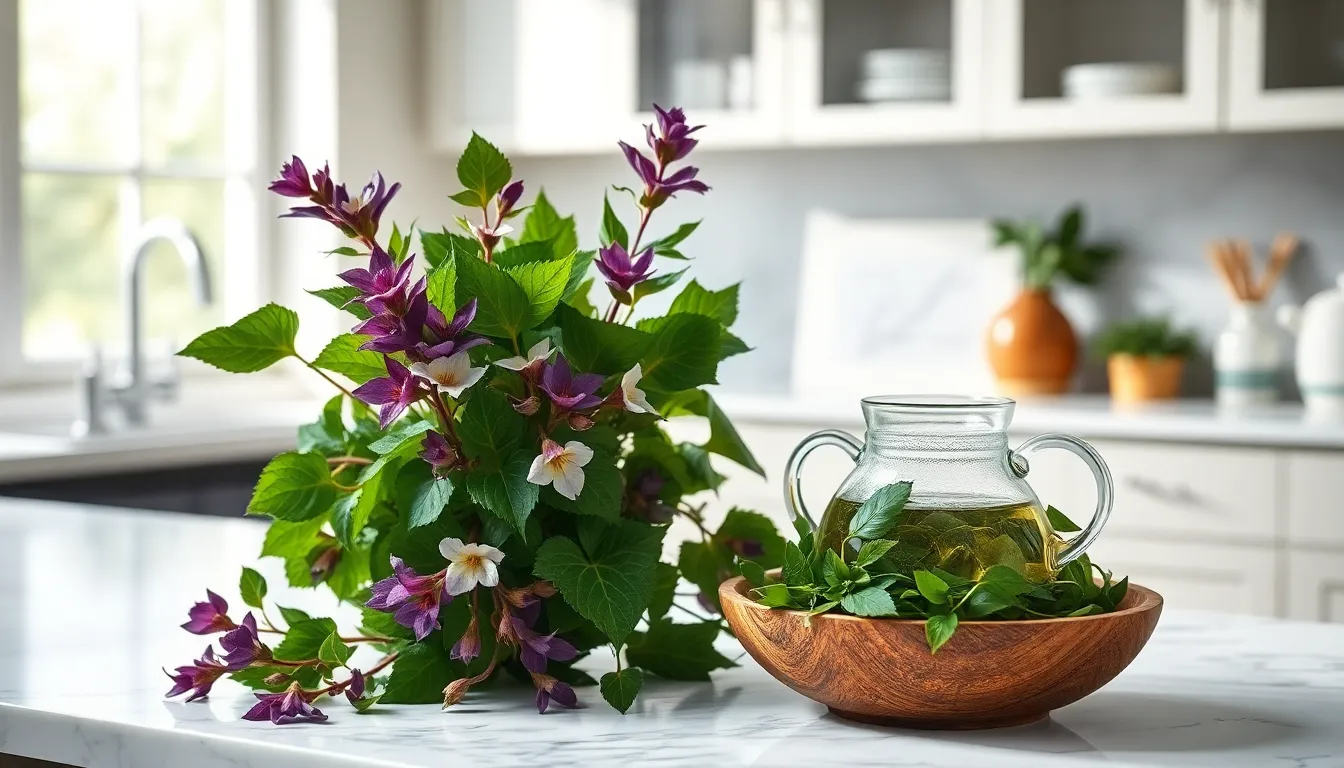
Alisiaparril, also known in some regions as a hidden gem among herbs, holds a unique spot in both traditional and modern herbal practices. This hardy plant thrives in various environments and is often characterized by its striking leaves and potent properties. Predominantly found in tropical climates, its appearance is usually a mix of vibrant greens and sometimes even purple hues.
Many herbalists appreciate alisiaparril not only for its physical beauty but also for its versatility. Whether brewed into a tea or used as an essential oil, this plant showcases its remarkable ability to adapt, providing numerous applications across different cultures.
Cultural Significance
Cultural significance often plays a monumental role in how a plant is perceived and utilized, and alisiaparril is no exception. Across various cultures, this herb is revered for its historical uses in rituals and traditional medicine. For indigenous communities, it may symbolize a connection to ancestral practices, often being featured in ceremonies that celebrate nature and healing.
Plus to its spiritual value, alisiaparril has become a focal point in folk medicine, where it is embraced for its purported healing qualities. By bridging the gap between the past and present, this plant continues to inspire stories and traditions that shape its legacy.
Traditional Uses of Alisiaparril
Traditional uses of alisiaparril highlight the creativity of herbalists and healers throughout the generations. Often utilized in poultices, it’s believed to soothe a range of ailments, from skin irritations to inflammatory conditions. Some cultures even incorporate alisiaparril into their culinary practices, where its leaves add both flavor and medicinal benefits to dishes.
Thirsty for refreshment? Many people also brew alisiaparril into a herbal tea, enjoying its earthy aroma and exploring its potential health benefits. This practice not only celebrates the plant’s properties but also fosters a deeper connection to nature.
Modern Applications and Research
In the modern age, alisiaparril finds itself under the spotlight as researchers investigate into its biochemical properties. From potential antiviral components to its role in boosting immune response, studies are starting to validate the traditional beliefs surrounding this herb.
Innovative companies are now exploring alisiaparril for incorporation into natural supplements and skincare products. Discerning consumers are increasingly seeking plant-based alternatives, positioning alisiaparril as a desirable ingredient that checks all the boxes: natural, effective, and eco-friendly.
Benefits of Alisiaparril
When discussing the benefits of alisiaparril, it’s hard not to get excited about its wide-ranging properties. Many enthusiasts praise the herb for its anti-inflammatory, antiseptic, and antioxidant qualities. Such properties suggest a potential role in holistic wellness practices, contributing to everything from digestive health to skin clarity.
Also, its traditional uses may translate into contemporary lifestyles, offering an organic approach to wellness. By integrating alisiaparril into daily routines, individuals may not only enjoy its flavors but also capitalize on its reputed health benefits.
Challenges and Considerations
But, using alisiaparril isn’t without its challenges and considerations. Overharvesting in certain areas raises concerns about sustainability, prompting calls for responsible sourcing practices. As this plant gains popularity, it’s crucial for consumers to consider the ecological impact of their choices.
Also, while many people herald the herb’s benefits, more research is necessary to understand possible side effects or interactions with other medications. Consulting with health professionals before diving headfirst into this herbal adventure is a smart approach.

