
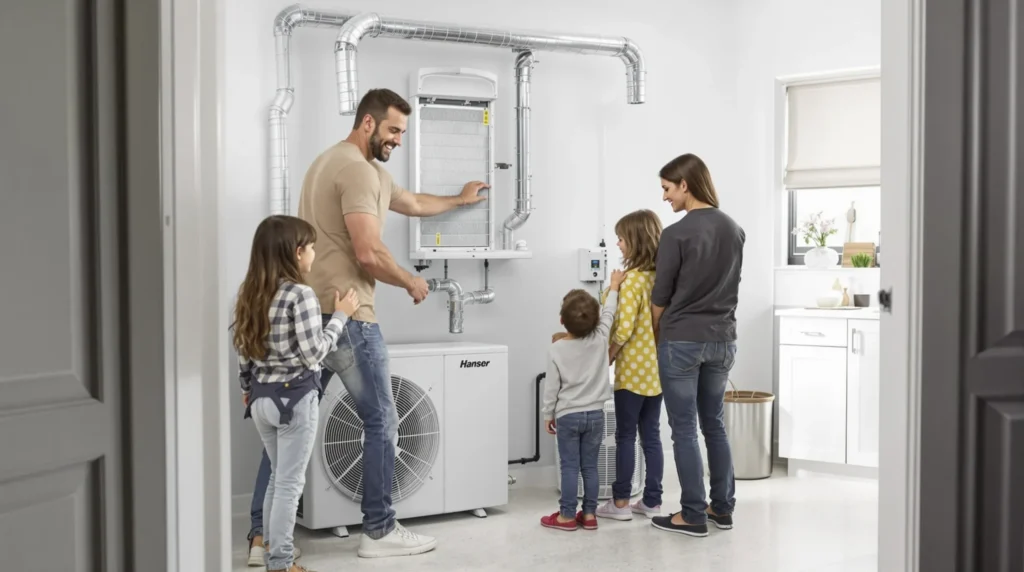
Are you tired of sweating through the summer heat or shivering in winter? An HVAC system might just be your new best friend. Frankly, no one enjoys running around the house with a fan in one hand and a space heater in the other. Let’s jump into the world of hvac installation colleyville, where comfort meets efficiency.
Table of Contents
ToggleUnderstanding HVAC Systems
Types of HVAC Systems
There are several types of HVAC systems, each catering to different needs. First, we have split systems, which are common in residential homes. This type consists of an indoor unit and an outdoor condenser, making it efficient and effective. Then there’s the packaged system, perfect for homes that lack the space for separate units. These often include heating and cooling elements bundled into one.
Finally, don’t overlook ductless mini-split systems. They offer a flexible solution for homes without ductwork, emphasizing both comfort and energy efficiency.
Components of an HVAC System
Every HVAC system consists of three main components: the furnace, the air conditioner, and the ventilation system. The furnace heats the air, the air conditioner cools it, and the ventilation system works to circulate it throughout our home. Each element plays a crucial role, creating that delightful atmosphere we all crave.
Choosing the Right HVAC System for Your Home
Factors to Consider
When choosing the perfect HVAC system, we must consider a few essential factors. Beginning with the size of our home, larger spaces require more powerful units. Also, geographical location plays a part: those of us in Colleyville experience both humidity in the summer and chilly winters, necessitating a versatile system.
Also, think about our budget, while some may want to splurge on high-end models brimming with features, there are plenty of budget-friendly options that offer outstanding performance.
Energy Efficiency Ratings
Energy efficiency ratings help us identify not just the upfront costs, but long-term savings as well. The Seasonal Energy Efficiency Ratio (SEER) and the Annual Fuel Utilization Efficiency (AFUE) are two ratings we should keep in mind. Higher ratings mean more energy savings. Choosing an efficient model might feel like a big investment today, but trust us, our future selves will thank us with lower utility bills.
The HVAC Installation Process
Preparing Your Home for Installation
Before the big day, we need to prepare our homes. First off, clear the area around our current HVAC system to give installers ample space to work. If possible, make arrangements for pets to be elsewhere during the installation process, let’s face it, a barking dog might distract the crew.
Also, it’s wise to double-check for any permits required, as HVAC installations often need them depending on local regulations.
What to Expect During Installation
On the day of installation, we can expect a flurry of activity. Installers will first assess our current system (or lack thereof) and begin by removing the old unit. Next, they’ll set up the new system, ensuring everything is securely in place. We might hear some drilling or loud noises, but that’s perfectly normal. They’ll also conduct tests to ensure it operates efficiently before leaving. Watching this process unfold reminds us of how worthwhile the investment is.
Post-Installation Care and Maintenance
Regular Maintenance Tasks
Following installation, keeping our HVAC system in great shape should be a top priority. Regular maintenance tasks include changing the air filter every few months to ensure optimal airflow and efficiency. Also, scheduling seasonal check-ups with a professional technician is never a bad idea. They can perform a thorough inspection and catch potential issues before they escalate.
Signs You Need Repairs
Sometimes, our systems may give us a heads-up when they’re in distress. Strange noises, unusual smells, or inconsistent temperatures are all signs that something may be amiss. If we notice any of these symptoms, it’s critical to consult a professional right away. Ignoring these signals could lead to bigger issues down the road.

