

The US trade deficit might sound like a boring topic, but it’s more thrilling than a roller coaster ride at a theme park. Imagine a world where imports outweigh exports, and the numbers keep climbing like an over-caffeinated squirrel. Year after year, the trade deficit tells a story of economic highs and lows, revealing how the nation interacts with global markets.
Understanding this financial phenomenon isn’t just for economists in stuffy suits. It affects everyone from the average consumer to the savvy investor. So buckle up as we dive into the annual roller coaster of the US trade deficit, exploring trends, surprises, and what it all means for the economy. Get ready to discover how these numbers impact daily life, because who knew economics could be this entertaining?
Overview of US Trade Deficit
The US trade deficit occurs when imports surpass exports, indicating a financial imbalance in trade. Annual fluctuations in the deficit reflect broader economic trends and shifts in consumer demand. Data shows that in recent years, the US trade deficit has consistently widened, reaching an estimated $948 billion in 2021.
Various factors contribute to this growing deficit, including increased consumer spending and changes in foreign policy. Major import categories include machinery, electronics, and vehicles, while significant exports consist of agricultural products and industrial goods.
Understanding the trade deficit’s impact involves examining its effects on employment and economic growth. Regions reliant on manufacturing may face job losses due to increased imports, while export-driven areas could benefit.
Trends indicate that trade deficits often coincide with periods of economic expansion. As the economy grows, consumer and business demand for foreign products typically rises, further amplifying the deficit. Although the trade deficit raises concerns about dependency on foreign goods, it also highlights the interconnectedness of global markets.
Analyzing historical data reveals that the trade deficit was relatively small in the early 2000s but has expanded significantly over time. Observations show that public perception of the trade deficit varies, with some viewing it as a necessary aspect of globalization, while others see it as a risk to economic stability.
Historical Trends of US Trade Deficit
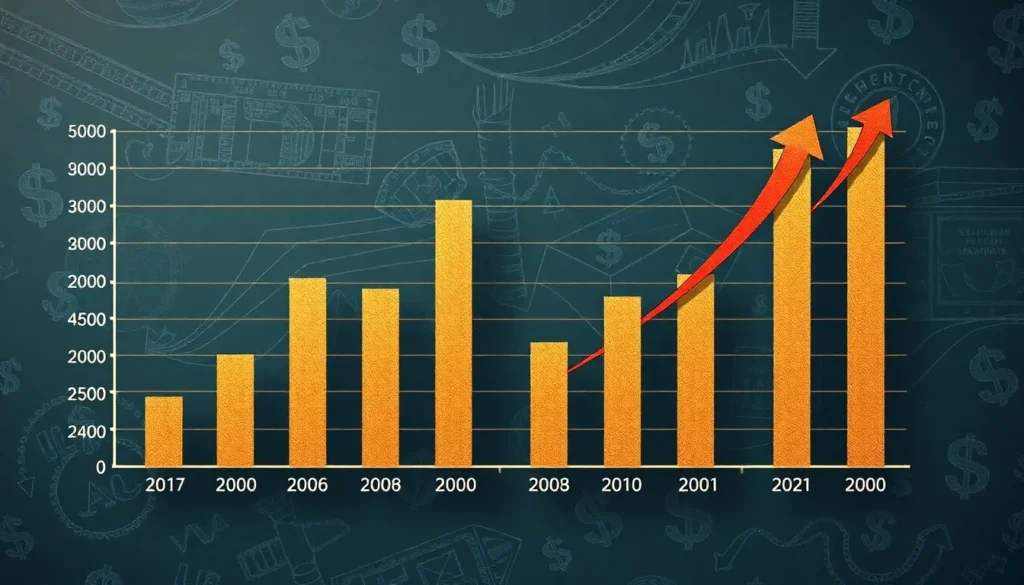
The US trade deficit has evolved significantly over time, reflecting broader economic patterns and global market dynamics. Historical data illustrates that the trade deficit was relatively small in the early 2000s but expanded notably in the following years.
Deficit Trends Over the Decades
Decades of data reveal fluctuating trade deficits. In the 1980s, the deficit emerged as a public concern, driven by increases in imports. This trend intensified in the 1990s as globalization took hold. During the early 2000s, the deficit surged, reaching approximately $500 billion by 2005. From 2010 to 2020, the deficit continued to widen, peaking at $948 billion in 2021. These figures highlight the ongoing shifts in consumer demand and production strategies.
Key Economic Events Impacting Trade Deficit
Significant economic events shaped the US trade deficit. The 2008 financial crisis led to a temporary reduction in consumer spending, briefly narrowing the deficit. Trade policies introduced during the Trump administration, including tariffs on various imports, aimed to address the imbalance. However, the deficit persisted, largely due to surging demand for foreign goods. The COVID-19 pandemic further influenced trade dynamics, with shifts in consumption patterns driving imports higher. Each event underscores the complex interplay between domestic and international factors affecting trade balance.
Analysis of Yearly Data
The US trade deficit demonstrates significant fluctuations year by year. These changes stem from a variety of domestic and international factors that impact trade dynamics.
Significant Yearly Increases and Decreases
Yearly trade deficits display notable increases and decreases based on economic conditions. For instance, the deficit skyrocketed from approximately $500 billion in 2005 to an estimated $948 billion in 2021. Such dramatic changes aren’t uncommon, as observed during the financial crisis in 2008, where the deficit narrowed before expanding again in subsequent years. Economic recovery often correlates with higher imports driven by rising consumer demand. The trade deficit can shift significantly, sometimes reflecting not just economic growth but also the effects of policies implemented in various administrations.
Factors Contributing to Yearly Changes
Key factors influence yearly variances in the trade deficit. Consumer spending habits dictate the demand for imported goods, while changes in trade policy can create immediate impacts. Events like the COVID-19 pandemic demonstrated how quickly trade dynamics can evolve. Currency fluctuations often affect pricing, making exports more or less competitive on the global stage. Additionally, geopolitical tensions can alter trade relations, leading to increased tariffs or trade barriers. Understanding these factors provides insight into the underlying mechanisms that drive the trade deficit’s changes.
Impact of US Trade Deficit
The US trade deficit significantly influences both domestic and global economies. Its effects extend beyond mere numbers, impacting jobs, growth, and international relations.
Effects on Domestic Economy
Job markets in manufacturing may suffer as companies face stiff competition from cheaper imports. Increased imports often lead to less demand for domestically produced goods. Regions with a strong manufacturing base particularly feel this pressure. However, industries focused on exports might thrive, creating job opportunities and bolstering local economies. Consumer spending habits also play a crucial role; higher consumption of foreign goods contributes to the deficit but offers a wide variety of choices for shoppers. Striking a balance between imports and exports remains essential for sustainable economic growth.
Global Economic Implications
The US trade deficit fosters complex dynamics in global trade. Economies around the world are interconnected, with shifts in the US deficit influencing foreign exchange rates and trade policies. Trade partners often adjust their policies in response to the deficit, aiming to protect their own economic interests. Countries that export goods to the US benefit from increased sales, thus enhancing their own economic performance. However, nations reliant on US imports may face instability if the US economy shifts priorities. Understanding these global implications is crucial for grasping the broader impact of trade deficits on international relations and economic stability.
Future Projections for US Trade Deficit
Experts anticipate the US trade deficit will continue to show significant fluctuations in the coming years. Analysts project increasing consumer spending will sustain high demand for imports, potentially pushing the deficit higher. Economic conditions like inflation and wage growth may also influence this trend, affecting purchasing behavior.
In 2022, the trade deficit hit a record of approximately $1.1 trillion, raising concerns about its long-term implications. As global supply chains evolve, unpredictability will likely become a common theme. Varied factors such as geopolitical tensions and trade agreements will play pivotal roles in shaping the deficit’s trajectory.
Increases in imports of machinery and electronics are expected to contribute heavily, particularly as technology expands. While exports of agricultural products continue to be strong, they may not match the growth rate of imports.
Government policies aimed at reducing the trade deficit could have a measured impact; however, consumer habits may prove more resilient. The influence of trade partners’ strategies will not be overlooked, especially as nations adjust to changes in US trade policy.
Forecasts suggest close monitoring is necessary to understand regional impacts, especially in manufacturing sectors. Shifts in job markets may correlate directly to changes in demand for imports versus domestically produced goods. Thus, staying informed about the trade deficit’s evolving nature remains essential for consumers and policymakers alike.
The US trade deficit remains a critical indicator of economic health and global interactions. As it continues to evolve year by year the implications for consumers and industries are significant. Understanding the factors driving these changes can help individuals and policymakers navigate the complexities of the economy.
With projections suggesting ongoing fluctuations the importance of monitoring the trade deficit cannot be overstated. Its impact on job markets and economic stability will shape the future landscape of both domestic and international trade. Keeping an eye on these trends will empower consumers and investors to make informed decisions in an interconnected world.

